The Evolution of Modern Cultured Stone A Comprehensive Guide to Its Uses and Benefits
Introduction In the realm of construction and design, the use of stone has always been synonymous with elegance, durability, and timeless appeal. From ancient civilizations to contemporary architecture, the beauty and strength of natural stone have been cherished and utilized in various forms. However, the high cost, weight, and limited availability of natural stone have led to the development of alternative materials that can replicate its aesthetic qualities while offering enhanced practicality and versatility. One such material that has gained prominence in recent years is cultured stone. Cultured stone, also known as manufactured stone or faux stone, is a man-made product designed to mimic the look and feel of natural stone. It is composed of a mixture of cement, aggregates, iron oxides, and other additives that are molded and colored to resemble various types of natural stone, such as limestone, granite, or slate. The result is a lightweight, cost-effective, and customizable alternative to natural stone that can be used in a wide range of applications, from exterior facades to interior accents. In this comprehensive guide, we will explore the evolution of modern cultured stone, its manufacturing process, uses in construction and design, benefits and drawbacks, and the latest trends shaping its future. History and Evolution of Cultured Stone The origins of cultured stone can be traced back to the mid-20th century when manufacturers began experimenting with materials that could replicate the look of natural stone. The earliest forms of cultured stone were primarily made of concrete and aggregates, molded into shapes and textures that resembled natural stone. These early products were limited in terms of color options and realism but laid the foundation for the development of more advanced manufacturing techniques and materials. In the 1960s and 1970s, the popularity of cultured stone began to grow as architects and designers recognized its potential as a versatile and cost-effective building material. Manufacturers started to refine their production processes, introducing new additives and pigments to enhance the appearance and durability of cultured stone. By the 1980s, cultured stone had become a mainstream alternative to natural stone, offering a wide range of styles and finishes to suit different architectural styles. The 21st century has witnessed a significant evolution in the production and design of cultured stone, driven by advancements in technology and consumer demand for sustainable and customizable building materials. Modern cultured stone products now feature advanced manufacturing techniques such as 3D printing, digital imaging, and proprietary molds that allow for greater realism and customization. With a focus on environmental sustainability, many manufacturers have also introduced eco-friendly additives and recycled materials into their production processes. 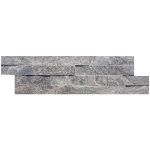 Manufacturing Process of Cultured Stone The manufacturing process of cultured stone involves several key steps that transform raw materials into finished products with the desired appearance and properties. While specific techniques may vary among manufacturers, the following are the general steps involved in producing cultured stone: 1. Material Selection: The primary ingredients used in cultured stone are cement, aggregates (such as sand or crushed stone), iron oxides (for coloring), and water. These materials are carefully selected and measured to ensure consistency in the final product. 2. Mixing: The raw materials are mixed together in a precise ratio to form a homogenous mixture that will be molded into stone shapes. Additives such as accelerators or plasticizers may be included to improve workability and setting time. 3. Molding: The mixed materials are poured into molds that are designed to replicate the texture and shape of natural stone. The molds may be made of rubber, fiberglass, or other materials that can withstand the casting process. 4. Curing: Once the molds are filled, the cultured stone is left to cure and harden. This process typically takes several days and may involve temperature and humidity controls to ensure proper curing and strength development. 5. Demolding: After the cultured stone has cured, it is removed from the molds and inspected for quality control. Any imperfections or defects are addressed before the final product is packaged and shipped to customers. 6. Finishing: Depending on the desired aesthetic, cultured stone products may undergo additional finishing processes such as sanding, painting, or sealing to enhance their appearance and durability. Uses of Cultured Stone in Construction and Design Cultured stone offers a wide range of applications in construction and design, thanks to its versatility, durability, and aesthetic appeal. Some of the common uses of cultured stone include: 1. Exterior Facades: Cultured stone is often used to clad the exterior walls of buildings, providing a natural and timeless look that enhances curb appeal. It can be installed as a full wall covering or in combination with other materials such as wood or metal to create visually striking facades. 2. Interior Accents: Cultured stone can also be used indoors to create focal points and accent walls in residential and commercial spaces. Fireplace surrounds, feature walls, and column wraps are popular applications that add warmth and character to interior spaces. 3. Landscaping: Cultured stone is a popular choice for landscaping projects such as retaining walls, garden borders, and outdoor kitchens. Its durability and weather resistance make it ideal for outdoor applications that require a natural stone look without the high cost and maintenance. 4. Architectural Details: Cultured stone can be used to embellish architectural details such as window surrounds, cornices, and moldings, adding texture and visual interest to building exteriors. 5. Water Features: Cultured stone is often used to create water features such as fountains, ponds, and waterfalls in outdoor settings. Its ability to mimic the look of natural stone makes it a popular choice for creating tranquil and aesthetic water elements. Benefits of Cultured Stone The growing popularity of cultured stone can be attributed to a wide range of benefits it offers compared to natural stone and other building materials. Some of the key advantages of cultured stone include: 1. Cost-Effectiveness: Cultured stone is typically more affordable than natural stone, making it a cost-effective option for homeowners and builders looking to achieve a high-end look on a budget. The lower cost of materials and installation can result in significant savings without compromising on aesthetics. 2. Lightweight: Cultured stone is much lighter than natural stone, which makes it easier to handle and install. This can reduce labor costs and construction time, especially for large-scale projects where heavy materials would be impractical. 3. mosaic tile for sale : Cultured stone comes in a wide range of styles, colors, and textures, allowing for endless design possibilities. Whether you prefer a rustic, modern, or traditional look, there is a cultured stone product to suit your aesthetic preferences. 4. Durability: Cultured stone is engineered to be durable and weather-resistant, making it suitable for both interior and exterior applications. It is less prone to cracking, chipping, or fading compared to natural stone, ensuring long-lasting performance and minimal maintenance. 5. Customization: Manufacturers of cultured stone offer customization options that allow designers and builders to create unique and personalized finishes. From custom colors to bespoke textures, cultured stone can be tailored to match specific design requirements and project visions. Drawbacks of Cultured Stone While cultured stone offers numerous advantages, it is important to consider some of the potential drawbacks associated with its use: 1. Limited Authenticity: Despite advancements in manufacturing techniques, cultured stone may not fully replicate the natural beauty and texture of genuine stone. Some purists may prefer the authenticity and uniqueness of natural stone over the manufactured alternative. 2. Environmental Impact: The production of cultured stone requires energy-intensive processes and the use of cement, which is a significant source of carbon emissions. While some manufacturers have adopted eco-friendly practices, the environmental impact of cultured stone production remains a concern for sustainability-minded consumers. 3. Installation Challenges: Proper installation of cultured stone requires skilled labor and adherence to manufacturer guidelines to ensure structural integrity and longevity. Improper installation can lead to issues such as water infiltration, cracking, or delamination, which may require costly repairs. 4. Maintenance Requirements: While cultured stone is generally low-maintenance compared to natural stone, it may still require periodic cleaning and sealing to preserve its appearance and performance. Harsh weather conditions, UV exposure, and environmental factors can affect the longevity of cultured stone products over time. 5. Limited Heat Resistance: Cultured stone may not be as heat-resistant as natural stone, especially in high-temperature environments such as fireplaces or outdoor kitchens. Special precautions may be needed to protect cultured stone surfaces from heat damage and discoloration. Latest Trends in Cultured Stone Design As the demand for sustainable and innovative building materials continues to grow, the cultured stone industry has witnessed several trends that are shaping the future of design and construction. Some of the latest trends in cultured stone design include: 1. Textural Variations: Manufacturers are introducing new textures and finishes to mimic the natural variations found in real stone. From rough-hewn surfaces to smooth polished finishes, textured cultured stone products offer a tactile and visually appealing alternative to traditional flat surfaces. 2. Thin Veneer Systems: Thin veneer cultured stone systems are gaining popularity for their lightweight and flexible design, which allows for easier installation and reduced material costs. These systems offer the look of full-thickness stone without the weight and structural requirements, making them ideal for retrofitting existing structures or adding accents to interior spaces. 3. Sustainable Practices: With a focus on environmental sustainability, many cultured stone manufacturers are incorporating recycled materials, low-VOC additives, and energy-efficient production processes into their operations. Green certifications and eco-friendly initiatives are becoming more prevalent as consumers seek environmentally responsible building materials. 4. Customization Options: Customization is a key trend in cultured stone design, with manufacturers offering a wide range of color choices, shapes, and sizes to suit individual preferences. Custom blends, patterns, and textures allow designers and builders to create unique and personalized installations that reflect their creative vision. 5. Integration with Technology: Advances in technology, such as 3D printing and digital imaging, are revolutionizing the design and production of cultured stone. Virtual reality tools, online configurators, and interactive platforms enable customers to visualize and customize their cultured stone projects before installation, streamlining the design process and enhancing collaboration between stakeholders. Conclusion The evolution of modern cultured stone has transformed the way we approach construction and design, offering a versatile, cost-effective, and sustainable alternative to natural stone. With advancements in manufacturing techniques, customization options, and design trends, cultured stone has become a preferred choice for architects, designers, and homeowners seeking to achieve the beauty and durability of stone without the limitations of traditional materials. As the cultured stone industry continues to innovate and adapt to changing market demands, we can expect to see even more exciting developments in product design, sustainability practices, and technology integration. Whether used in exterior facades, interior accents, landscaping features, or architectural details, cultured stone will continue to leave a lasting impression on the built environment, blending the timeless appeal of stone with the benefits of modern engineering.